


Skip to content

Secure Information Management

Cost take-out and AI readiness for European and North American enterprises.

Two outcomes pay for this work. The cost that comes out when information stops being duplicated, migrated and stored long past its purpose, and the readiness that decides whether AI can be trusted with any of it.

Book a conversationWatch the introduction

Information Value Management, in five parts

Secure Information Management

Information Value Management

Treating information as an asset: what it is worth, what it costs to keep, and when it should go. The five capabilities around it are how that gets done.

  • Information governance

    Knowing what you are required to keep, what you are required to delete, and being able to prove either to an auditor.

  • Document and process automation

    Invoices, HR files, contracts and archives handled by systems rather than by people hired to do something else. The European e-invoicing mandates make this one dated rather than discretionary.

  • Integration and migration

    Systems bought separately made to behave as one, and estates moved without a cutover weekend nobody sleeps through.

  • Service management

    Service operations that can evidence their own performance to a regulator, not only to an internal dashboard.

  • Managed operations

    Running what has been built, with a defined scope, a defined coverage window and a defined exit.

  • AI readiness

    AI is only as good as the information underneath it. Records that are current, governed and traceable are the precondition, and getting there is ordinary work rather than a pilot.

  • Cost take-out

    Fewer systems to license, fewer people keying data between them, and legacy estates decommissioned rather than carried indefinitely because nobody is sure what is inside them.

Why Just-Faster

Why an information problem is worth bringing to the group rather than to the vendor whose system it first showed up in.

  • One partner, strategy through to support

    One point of contact for the whole of information management: the strategy set before anything is bought, and the support call three years after go-live. Which company in the group does the work changes. The people you deal with do not, and the first conversation is with a senior consultant who has done the work before, not with an account layer that will introduce you to one later.

  • Six views of the same estate

    Information management as it grew, as it stands and as it will have to work, read strategically, as process, organisationally, architecturally, technically and commercially. Those are the angles that decide whether a change survives contact with the business.

  • Twenty years, 280 mandates

    Twenty years in the market as a group, 280 mandates and projects accompanied, supported or delivered, and partner status with several of the largest technology vendors in the world. Which ones belongs in the first conversation rather than on a logo wall.

  • Global enterprises and mid-market alike

    Some of the largest companies in the world, and manufacturers, mid-market businesses and public authorities meeting the same obligations with a fraction of the staff to do it with.

  • Eighteen years in Europe

    Rooted across Europe for eighteen years, with delivery capacity built up over that time rather than contractors hired by the project. That is where a real part of the cost difference comes from, and why it survives a long engagement.

Some of the companies we have worked with

Start with a conversation

Thirty minutes with Philipp Sander, not a sales team.

He takes the first call on most engagements, because routing you to the right company in the group means knowing all four. You leave with a view on where your value is leaking, whether or not you engage us.

Thinking on information, AI and cost

Occasional writing on the regulatory dates that are actually coming, what AI readiness costs in practice, and where the money goes back. No more than twice a month, and never a product announcement.

We use your address to send the newsletter and nothing else. Unsubscribe from any issue. See our privacy policy for how we handle it.

Four specialists, ready for any of your bottlenecks

Start here

Just-Faster

Consulting and orientation

The starting point. We work out what the problem actually is, which capabilities it needs and in what order, then point the engagement at the companies that deliver it.

One agreement, one commercial relationship, one escalation path and one exit, however many of the four are involved.

  • QPES

    OpenText and SAP, built and run

    Designs, integrates and operates the OpenText and SAP platforms that hold a company's documents and records, and keeps the processes around them running long after go-live.

    The point solutions sit here: order-to-cash, procure-to-pay, invoice-to-pay, hire-to-retire and enterprise asset management, each one a named process rather than a module.

    The oldest company in the group and the one carrying most of the delivery.

  • Cirro Cloud Solutions

    Software the group builds itself

    A standard software company inside the group, building AI-agent-based integrations, migrations and solution extensions for established business software.

    Four families: industry and domain solutions, application integrations, migration suites, and an orchestration platform for information governance and value management.

  • Fortuna Services

    ServiceNow and IBM

    Runs and modernises service management on ServiceNow and IBM, with performance that stands up to a regulator rather than only to an internal dashboard.

    Service delivery, ITSM operations, and the data science and reporting that turn a service desk into something measurable.

A group, not a network.

Just-Faster is four specialised companies working under one contract. The oldest of them has been running since 2007 and was built into one of the largest extended consulting workbenches in its field; the group around it is how that capacity is now sold and delivered.

What is shared across the companies is not a technology stack, since they run on different ones deliberately, but a way of working: obligations mapped before systems are chosen, changes made incrementally and reversibly, and evidence produced as a by-product of delivery rather than assembled afterwards.

The companies

The people you will actually deal with

Routing an engagement to the right company in the group takes knowing all four. That is why the first conversation is with the person who does.

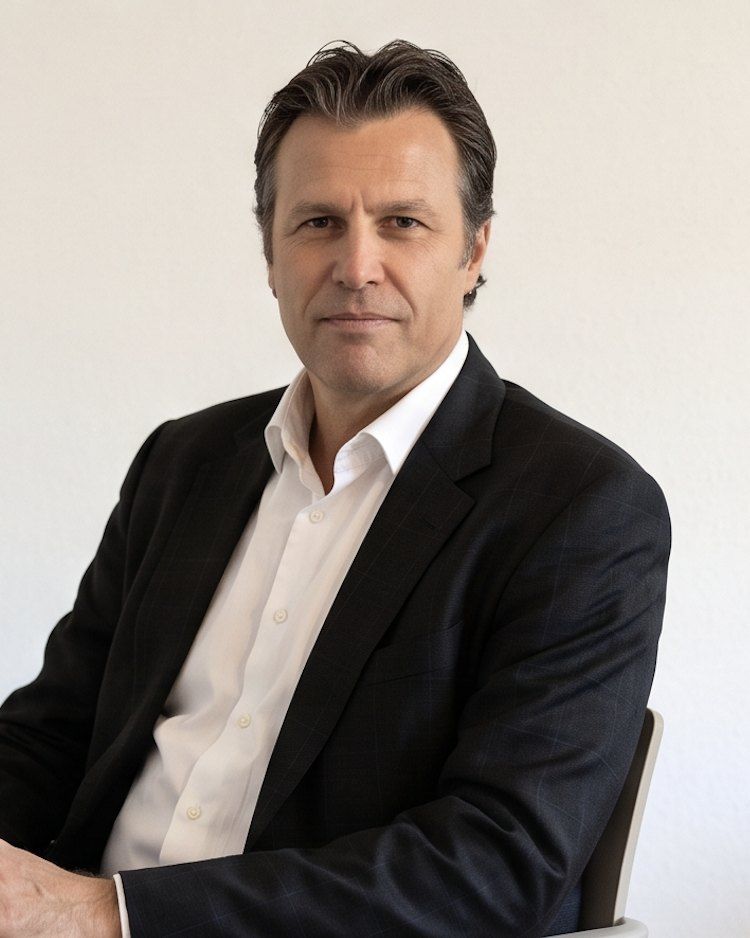
Philipp Sander

Philipp Sander

Founder of QPES, Speaker of the Executive Board

Founded QPES in the mid-2000s and built it into the largest delivery company in the group. Before that, led business development, marketing and sales in Switzerland and internationally, and was co-founder, shareholder and board member of several ventures. He takes the first conversation on most engagements.

  • Michel Walz

    Michel Walz

    Senior consultant

  • Mike Wiede

    Mike Wiede

    Senior consultant

  • Pascal Walz

    Pascal Walz

    Senior consultant

  • Philip Gruber

    Philip Gruber

    Senior consultant

Questions people ask before the first conversation

The terms below come up in almost every first call. If your question is not here, it is a good opening for one.

  • What is Secure Information Management?

    Secure Information Management is the practice of keeping an organisation's information governed, protected and usable at the same time: knowing what you hold, what you are obliged to keep or delete, who may reach it, and being able to evidence all of that. It covers information governance, document and process automation, integration and migration, service management and managed operations as one discipline rather than five separate purchases.

  • What is the difference between Secure Information Management and Information Value Management?

    They are the same work seen from two ends. Secure Information Management names the capabilities that do it: information governance, document and process automation, integration and migration, service management and managed operations. Information Value Management names the reason to apply them and the basis for deciding what applying them is worth: what your information is worth, what it costs to hold, and what obligations attach to it. The Information Value Management page sets out the five areas it covers.

  • What is the difference between information management and data management?

    Data management covers structured records inside systems: how they are modelled, stored, moved and kept accurate. Information management covers everything else a business runs on, which in most organisations is the larger half: contracts, invoices, personnel files, drawings, correspondence, and the obligations attached to each of them. The two meet at governance, and the common failure is a data programme that leaves every document ungoverned beside an archive nobody can query.